
Advanced Diploma in the Great Books of Western Civilisation and Islamic Philosophy and Theology
(AdvDipGb)
27/28 entry is now open!
A unique and rigorous philosophical and theological eduction.
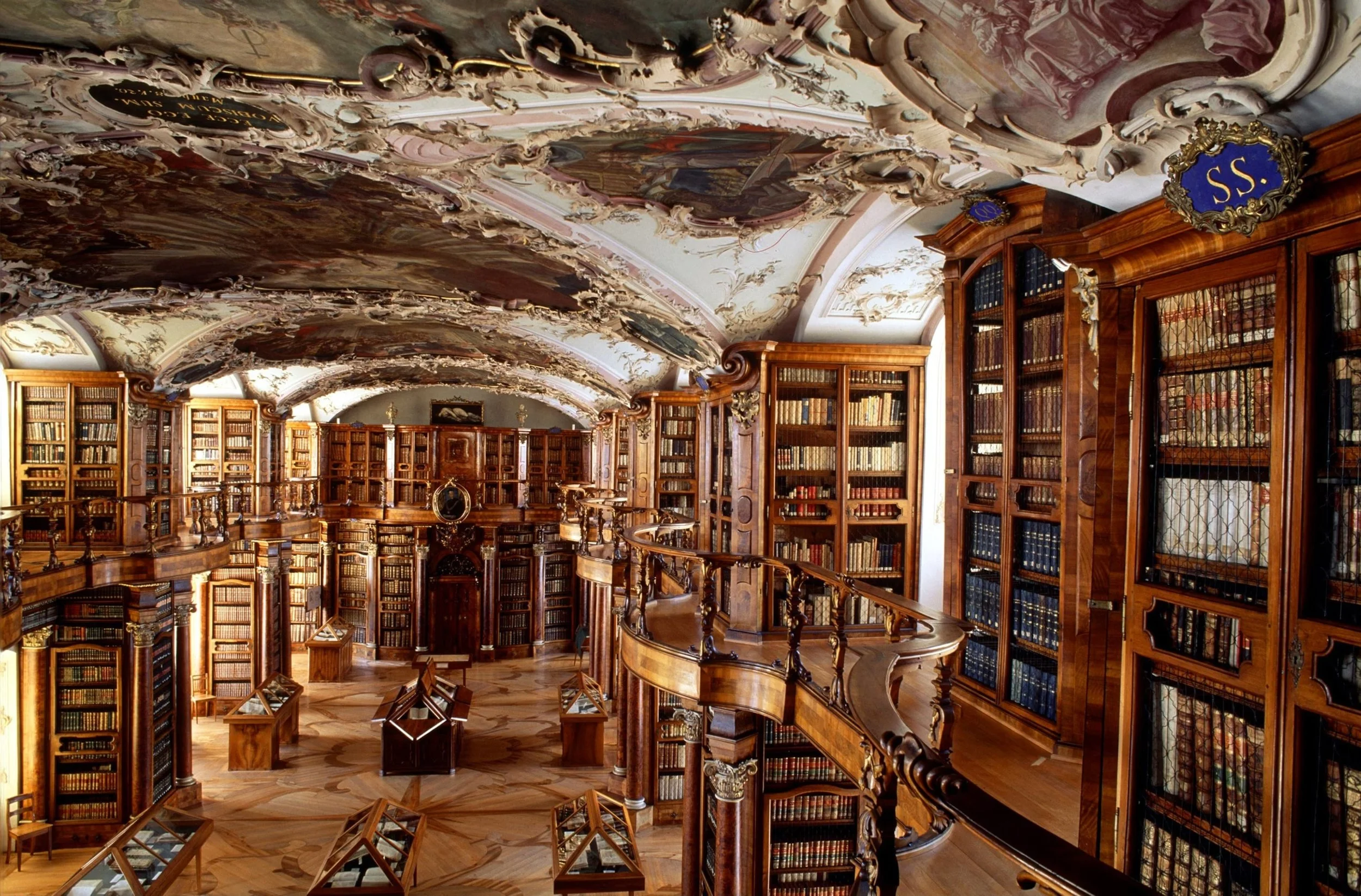
BT Academy’s new Diploma in the Great Books, offers a uniquely integrated path through the great philosophical and theological works of both Islam and the West. It is designed for those who wish to read the Great Books in the spirit in which they were written: as living works of reason and revelation, studied closely, historically, and in conversation across civilizations.
Entry is selective, open to successful graduates of our AdvDipTh, or alternatively to those with a solid background in philosophy, theology, or Islamic studies, whether academic or traditional. The programme is designed to accommodate those in full-time study or work.
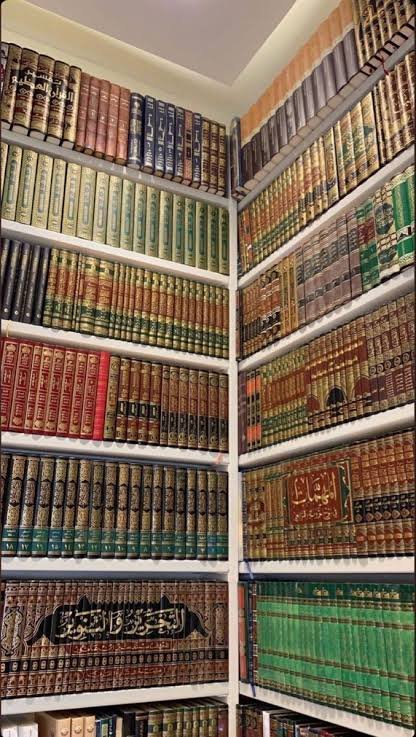
The Diploma consists of two complementary courses taken together over two terms (26 weeks): Metaphysics and Logic — Hasan Spiker; Great Texts of the Western Tradition — Paul Williams. Together they form a continuous intellectual arc: from the discovery of metaphysics as the first science and its unfolding in the Islamic and classical traditions, to the rise of Western theology and modern criticism that shaped the secular understanding of the world.
-
Start Date
Saturday 17th April 2027
Duration
1 academic year
(2 terms, 26 weeks)
-
Entry is selective, open to successful graduates of our AdvDipTh Level 1, or alternatively to those with a solid background in philosophy, theology, or Islamic studies, whether academic or traditional. The programme is designed to accommodate those in full-time study or work. The admissions interview with our lead instructors, Paul Williams and Hasan Spiker, represents our most effective means of appraising applicants' suitability for the diploma, and applicants of all ages and backgrounds will be considered for entry without prejudice.
-
£ 2760.00 / $3500.00 per term / £5520.00 / $7000.00
-
Application Process: Online application form. Selected candidates will be invited to interview with Paul Williams and Hasan Spiker. Successful candidates will subsequently be informed of their place at BT Academy.
Application Deadline: Friday 9th April 2027
We recommend that you apply early.
Metaphysics, Modernity, and Logic
Learning and Assessment: Weekly close-reading seminars with one-to-one tutorials
Lead instructor: Hasan Spiker
TERM 1
Week 1
Prolepsis: Thomas Carlyle and the Age of Mechanism
Required reading: Thomas Carlyle, Signs of the Times
Suggested reading: John Stuart Mill, The Spirit of the Age
Week 2
The Last Battle for the Soul of Western Man
Required reading: John Stuart Mill, Bentham and Coleridge
Week 3
Plotinus: Nature as Dreaming Soul
Required reading: Plotinus, Enneads III.8
Week 4
(with visiting faculty Dr. Yusuf Chaudhary)
Christopher Dawson: The Philosophy of History
Required reading:
Christopher Dawson, Progress and Religion: An Historical Enquiry
Chapter 2: History and Progress, Chapter 9: Age of Science and Industrialisation
Week 5:
Higher self, lower self?
Plato. Republic, Book 4, Hume, A Treatise of Human Nature, II.iii.iii , Nietzsche, Twilight of the Idols (The Problem of Socrates, etc.)
Week 6:
Truth, Beauty, and Goodness:
Facets of true reality
Plotinus. On Virtue, On Dialectic, and On Beauty
Week 7:
Divergent methodologies in the critique of modernity
Guenon, Gilson, Maritain, and Adorno
Week 8:
Divergent methodologies in the critique of modernity part II
Attas, Taylor, Abdurrahman, Asad, Schuon
Week 9:
Mustafa Aziz: Immanuel Kant’s CpR
Week 10:
Lost Theophanies of the West, from Pseudo-Dionysius to Nicholas of Cusa
(via John Scotus Eriugena, Bonaventura, and Eckhart)
Required reading: Bonaventura’s The Soul’s Journey Into God
Week 11:
Unfoldings of the Perfect Man: The Vision of Ibn Arabi
Ringstones of Wisdom , Inscriptions of Wisdom
Week 12:
Ancient inspiration for modernity’s spurning of Reality:
Materialism and Scepticism in Epicurus and Sextus Empiricus
Week 13:
What is Mysticism?
Evelyn Underhill, Mysticism
TERM 2
Week 14 -15:
The Stations of the Soul
al-Shabrāwī, Degrees of the Soul
Week 16:
The Numinous and Rationality
Otto, The Idea of the Holy
Six-week module: The Road to Constructionism
Week 17:
Hegel 1: Constructionism’s proto-principle
Science of Logic: Becoming, Being, Nothing (59-82).
Also read the shorter exposition (124-133) in Hegel’s condensed Encyclopedia Logic which more explicitly spells out the theological connection.
For an overview of Hegel’s thought and significance read Findlay’s foreword to the Encyclopedia Logic (v-xxvii).
Supplementary reading: Chapter 1, ‘The Humanization of Nothingness,’ in Modern French Philosophy, 9-26, and 48-54. Houlgate, The Opening of Hegel’s Logic
Week 18:
Hegel 2:
Phenomenology of Spirit: Self-consciousness and recognition
Week 19:
Husserl:
Ideas: Intentionality and the Phenomenological Reduction
Week 20:
Heidegger:
Dasein and anxiety
Additional reading: Derrida: ‘The Ends of Man’
Week 21:
Adorno:
Selections from Negative Dialectics
Additional reading: Foucault: ‘The Subject and Power’
Week 22:
Sartre 1:
Being and Nothingness: Nothingness and Bad Faith
Additional reading: Berger and Luckmann, The Social Construction of Reality 1
Sartre 2:
Being and Nothingness: The Look, being-for-others, freedom and self-creation. Existentialism is a Humanism.
Additional reading: Berger and Luckmann, The Social Construction of Reality 1
Week 23:
Light Shafts of Sacramentality In Mechanism’s Grip: The Lord of the Rings
‘A Long-expected Party’, ‘The Shadow of the Past’, ‘In the House of Tom Bombadil’, ‘Many Meetings’, ‘The Council of Elrond’, ‘The Bridge of Khazad-dûm’, ‘The Mirror of Galadriel’, ‘The White Rider’, ‘The Voice of Saruman’, ‘Mount Doom’, ‘The Scouring of the Shire’, ‘The Grey Havens’.
THE TWO COMPULSORY COURSES THAT TOGETHER MAKE UP THE GREAT BOOKS DIPLOMA:
Weekly seminars are paired with individual tutorials, encouraging students to pursue ideas beyond the text and to form a disciplined grasp of argument. Short reflection pieces are submitted across the two terms, and each course culminates in a final integrative essay.
Great Texts of the
Western Tradition
Learning and Assessment: Weekly close-reading seminars with one-to-one tutorials and graded essays.
TERM 1
Week 1 — Paul: Law & Grace
All of the Letter to the Galatians. Plus Shabbir Akhtar: The New Testament in Muslim Eyes, pp. 1-13. Both required reading. Acts 21 - suggested reading.
Week 2 — Augustine: Conversion & Self
Confessions. All of Book II - required reading. Book VIII, where his famous conversion unfolds - suggested reading.
Week 3 — Boethius: Providence & Fate
The Consolation of Philosophy. All of Book II - required reading. Book III - suggested reading.
Week 4 — Anselm: Faith & Reason
Proslogion. Chapters 1–5 – (required reading). Chapters 15 to 18 – (suggested reading).
Week 5 — Chaucer: Experience & Authority
Canterbury Tales: The Wife of Bath’s Prologue (entire) + The Tale - required reading
Week 6 — Dante: Cosmic Order
The Divine Comedy. Inferno - Cantos I–V required reading. Cantos I–XI - suggested reading.
Week 7 — Machiavelli: Political Realism
The Prince. chapters 15–18 - required reading. Chapters 1–11 + 15–18 - suggested reading.
Week 8 — Luther: Reformation
Freedom of a Christian. Opening section (the two theses) + central argument on faith vs. works — the paradox: “a Christian is a perfectly free lord… and a perfectly dutiful servant.” - required reading. Whole treatise - suggested reading.
Week 9 — Milton: Fall & Freedom
Paradise Lost. Book I - required reading. Books I–II - suggested reading.
Week 10 — Bunyan: Inner Salvation
The Pilgrim’s Progress. Part I — from the beginning to the House Beautiful - required reading.
Part I from Vanity Fair to the Celestial City - suggested reading.
Week 11 — Spinoza: Scripture Critique
Theological-Political Treatise. Chapter 7 “On the Interpretation of Scripture” - required reading. Chapters 6–7 - prophecy (Ch. 6) + method (Ch. 7) gives the full epistemic framework - suggested reading.
Week 12 — Hume: Miracles
An Enquiry Concerning Human Understanding. “Of Miracles” section X, parts I–II - required reading. Section XI, “Of a Particular Providence and of a Future State.” - suggested reading.
Week 13 — Kant: Moral Religion
Religion within Reason Alone. First Piece (Book I), Sections 1–3 - required reading. First Piece (Book I) in full - suggested reading.
TERM 2
Week 14 — Dostoevsky: Freedom & God
The Brothers Karamazov (Grand Inquisitor)
Week 15 — Nietzsche: Morality Critique
On the Genealogy of Morals
Week 16 — Marx: Religion & Ideology
The Communist Manifesto
Week 17 — William James: Experience
The Varieties of Religious Experience
Week 18 — Sartre: Existentialism
Nausea
Week 19 — T.S. Eliot: Spiritual Fragmentation
Four Quartets
Week 20 — C. S. Lewis: Afterlife
The Great Divorce
Week 21 — Edward Said: Cultural Critique
Orientalism
Week 22 — Malcolm X: Identity & Islam
The Autobiography of Malcolm X
Week 23 — Brad Gregory: Reformation Legacy
The Unintended Reformation
Week 24 — Alasdair MacIntyre: Virtue & Tradition
After Virtue
Week 25 — Shabbir Akhtar: Post-Critical Synthesis
The New Testament in Muslim Eyes
Week 26 — Gai Eaton: Islam as Resolution
Islam and the Destiny of Man
Paul Williams